-
The Importance of Precision Rigging in Moving Heavy Machines
The Importance of Heavy Equipment Rigging for Machine Moving Services
Today’s manufacturing world utilizes sophisticated machinery that is not only larger and heavier than in years past, but also far more sensitive. Transporting these machines must be done carefully and in compliance with federal regulations, because damage can cause significant disruption to manufacturers’ operations, resulting in repairs and downtime that carry heavy costs. To ensure safe and secure transportation of your heavy equipment, precision rigging is crucial.
What Is Precision Rigging? Understanding Industrial Rigging Solutions
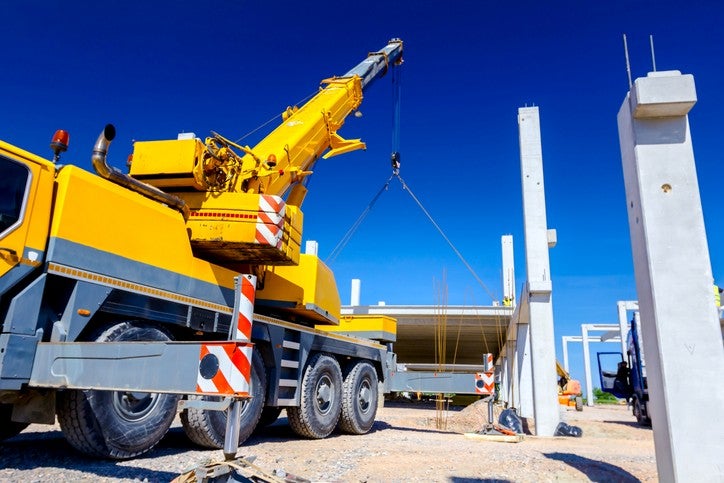
In order to lift and move heavy structures and machinery, heavy rigging is used to control the lifting process and secure the load. This requires meticulous planning and execution, throughout every step of the process. The load being moved is secured to a lifting mechanism so that it can be moved in a controlled manner. The team controlling the rigging must manage the complex process of lifting and moving heavy machinery expertly, in order to prevent damage, facilitate a safe work environment, and keep the operation on schedule and in budget.
Why Heavy Machines Require Precision Rigging
Despite its size and weight, heavy machinery can be quite delicate, with components that require careful handling. If this equipment is transported incorrectly, shifts in the machinery can cause misalignment that disrupts its accuracy. Vibrations or static discharge during transport can damage electronic components, and improper handling of hydraulic or coolant fluids can cause corrosion. Every minute detail of the transportation process must be carefully planned and precisely executed, to avoid costly repairs or recalibration, which can slow down operations.
Industrial Machinery Movers and The Precision Rigging Process
Machinery moving requires careful planning and management, for a process that will include:
- Site and equipment assessment: A thorough assessment of the site, evaluating the project environment, begins the project on a firm foundation of safety. The machinery itself is also assessed, measured, and weighed, so that the appropriate vehicles and rigging can be determined. A comprehensive visual inspection is performed, and the condition of the machinery is documented.
- Planning and engineering: By creating detailed lift and transport plans, the machinery moving team provides a blueprint for accomplishing the task efficiently and safely.
- Preparation: Before machinery can be moved, it must be disassembled, with loose parts removed or secured, and moving components immobilized. Any fluid, including oils, coolants, and lubricants, must be drained, and electrical power supplies disconnected.
- Execution: Once the plan is in place and the machinery is secured, it is lifted, moved, and transported to its new location.
- Reinstallation: At your machine’s destination, you’ll need experts to place, level, and align the machinery, so that you can get right back to work.
Why You Should Hire Experts for Precision Rigging Services
The precise and delicate nature of the industrial machinery moving process necessitates expert execution. When you hire experts to take on your machinery moving project, you’re availing yourself of a wealth of resources and expertise. Experienced professionals have the right equipment to do the job properly, and they know how to use their tools to work in tight or restricted areas, when necessary. An expert team provides engineering support, for accuracy and safety, and handles all the necessary permits, as well as the project logistics.
For Professional Equipment Relocation Services, Contact LA Machinery Moving
When you need to move heavy machinery, you couldn’t pick a better partner than LA Machinery Moving. We’re an established leader, with 40 years of experience in the industry, and our team of experienced professionals offers a wide array of services, from packing and crating to heavy machinery moving to industrial machinery and rigging, and more. Because we know that every machinery moving project requires a customized solution, we work closely with our clients, providing tailored solutions, exceptional customer service and focused attention to detail. Using the latest technology and equipment, adhering to current safety regulations, and offering competitive pricing, we deliver projects on time and within budget, using safe and efficient solutions that minimize disruption to your operation. To learn more about how we can help with your next machinery moving project in Southern California, contact us through our website.
FAQs
Are Machine Moving and Rigging the Same Thing?
No, machine moving is the process of moving machinery, including all the steps of planning, coordination, and transportation. Rigging, on the other hand, involves using lifting gear to lift, move, and position the equipment being moved.What Kinds of Equipment Are Used for Precision Rigging?
Precision rigging is carried out using lifting gear, support systems, cranes, and hoists.What Are Some of the Challenges Faced When Moving Heavy Machinery?
Moving heavy machinery can be challenging for many reasons. If the load is unbalanced, even slightly, it could cause shifting during moving, which can lead to catastrophe. There can also be difficulties at the site, because construction sites are often cramped and complicated, making it difficult to access and secure equipment. The weather can have a negative impact on equipment relocation, because high winds, rain, and extreme temperature can affect the stability of the rigging equipment and the load. Finally, as machinery and techniques evolve, rigging professionals face the challenge of keeping up with the changes, in order to keep their operations safe and efficient, through continual training and innovation.What is a Heavy Equipment Rigging Crew’s Process?
To safely and efficiently move machinery, rigging crews must follow a rigorous process, beginning with a comprehensive plan that details the best equipment and methods to use. Next is dismantling the equipment, then loading and securing it before transporting it, after checking it for safety. Finally, the machinery arrives at the new location, and the same experts who loaded it complete the process by using the same precise techniques to unload it.Who is Responsible for Permits and Route Planning?
The experts in charge of moving your equipment will also handle pulling permits, planning the route, and all other logistics involved in efficiently moving your heavy machinery to its new location. -
How to Dispose of Old Machinery
How to Dispose of a Heavy Machine?
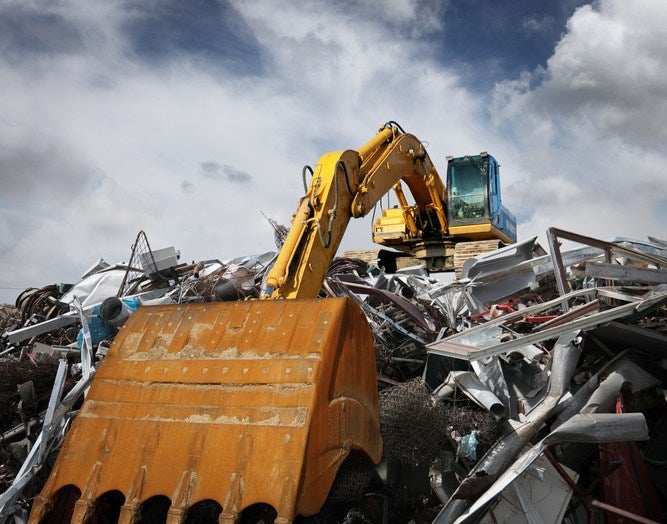
Heavy machinery is vital to today’s manufacturing, but when it’s time to dispose of it, business owners may face a challenge. While it’s easy to recycle paper or ensure the proper disposal of glass, machine disposal is not as straightforward. You can’t just drag it to the curb, and it’s crucial to consider the environmental impact as much as possible. But where does that leave you in terms of heavy machine disposal options?
Common Reasons for Heavy Machine Disposal
The reason you’re disposing of the machine will factor into how to handle the disposal. It could be that the machinery is no longer functional, but that’s not always the case. Sometimes, there’s a need to free up some space by jettisoning some of the equipment, even if that equipment still works. In other cases, the goal is to upgrade to new, more technologically advanced machinery, but the less-advanced equipment could still benefit someone else.
Things to consider Before Disposal of a Heavy Machine
Whatever the reason for disposing of heavy machinery, there are various factors that need to be considered.Can the machinery be reused or repurposed?
If the equipment you need to dispose of is still in working condition, someone may have a use for it, so donating or selling it may solve your problem. Consider an auction or a specialized machinery reseller. Even if the machine only has some working parts, those parts can sometimes be removed and repurposed.Does the manufacturer or retailer offer any recycling or take-back programs?
It could be that the manufacturer or retailer of your machinery has a recycling initiative or a program that allows you to return or trade the machine when it’s no longer useful to you. Contact these companies or check out their websites to determine whether this is the case.Can the machine be recycled?
Even if the manufacturer doesn’t have a recycling initiative, there may be a facility in your area that can handle this. Check with local recycling centers, electronic waste recycling facilities, and even scrap metal yards, to try and find a way to keep your old machinery out of the landfill.Will your waste management company take the machinery?
If you can’t re-use, repurpose, or recycle your heavy machinery, look for a waste management company that is qualified to dismantle and dispose of your machinery. If you can’t find that, work with a machinery moving company to properly dismantle and dispose of it, in accordance with local regulations.What are the legal regulations on heavy machine disposal?
Do your research, and make sure that before you make a move, you understand the legal requirements and environmental regulations that apply to your type of machinery.The Machinery Disposal Process
Heavy machinery disposal begins with removal, whether you’re moving it to an auction site, a recycling facility, or back to the manufacturer. The removal process will be tailored to your unique project, but will essentially follow these steps:
- Assessment: The site and equipment will be assessed, so that a plan can be formulated.
- Engineering: A plan will be tailored to the project, taking into consideration rigging points, floor loads, and egress paths.
- Preparation: The machinery will be disassembled, disconnected, and prepared for transport.
- Rigging and Lifting: Using appropriately rated equipment, the machinery will be rigged and lifted onto transport vehicles.
- Transportation: The machinery will be transported to its destination, under careful supervision and with proper permitting.
- Unloading: The same expert team that disassembled and loaded the machinery will be on hand to unload it in an efficacious manner.
Importance of Professional Rigging in Old Heavy Machine Disposal
The most important thing to do when disposing of your old heavy machinery is to ensure that the process is managed properly. The best way to do this is to engage the services of a professional machinery moving company, so that the expert team can craft a custom plan that uses precision rigging to transport the machinery to its final destination. Additionally, professional heavy machinery movers know the proper disposal methods for heavy machinery, and understand how to deal with any hazardous materials in accordance with legal regulations and environmental concerns.
Trust LA Machinery Moving to Help You with Your Heavy Machine Disposal
If you need help disposing of heavy machines, partner with LA Machinery Moving. We’re an established leader, with 40 years of experience in the industry, and our team of experienced professionals offers a wide array of services, from packing and crating to heavy machinery moving to industrial machinery and rigging, and more. Because we know that every machinery moving project requires a customized solution, we work closely with our clients, providing tailored solutions, exceptional customer service and focused attention to detail. Using the latest technology and equipment, adhering to current safety regulations, and offering competitive pricing, we deliver projects on time and within budget, using safe and efficient solutions that minimize disruption to your operation. To learn more about how we can help with your next machinery moving project in Southern California, contact us through our website.
FAQs
What is the Best Way to Dispose of Heavy Machinery?
This depends on your unique situation. You have several options, including direct sales, working with an equipment broker, selling at auction, recycling or scrapping, or trading your equipment. In some cases, you can donate your equipment.Are there Regulations on Heavy Machine Disposal?
Yes, heavy machine disposal has to adhere to environmental and safety regulations. For example, hazardous fluids and materials must be removed, and reusable and recyclable materials must be separated.Why is Recycling a Good Option for Disposal of a Heavy Machine?
When heavy machinery is recycled, valuable metals can be recovered for reuse, and reusable components can contribute to a circular economy. Additionally, recycling equipment keeps it out of landfills, and reduces environmental contamination from hazardous materials.When is Scrapping Machinery a Better Option?
Sometimes, equipment is non-functional, or in too poor of a condition for resale, or too specialized to sell. If your machinery costs more to maintain than to remove it, and not worth marketing, it’s better to scrap it.Why Should I Work with Industrial Machine Movers to Dispose of Heavy Machinery?
Moving heavy machinery is a specialized process, involving heavy lifting and precise rigging. Professional machine movers know how to move machinery safely and efficiently, in compliance with federal and local safety regulations and environmental rules.