-
How to Dispose of Old Machinery
How to Dispose of a Heavy Machine?
Heavy machinery is vital to today’s manufacturing, but when it’s time to dispose of it, business owners may face a challenge. While it’s easy to recycle paper or ensure the proper disposal of glass, machine disposal is not as straightforward. You can’t just drag it to the curb, and it’s crucial to consider the environmental impact as much as possible. But where does that leave you in terms of heavy machine disposal options?
Common Reasons for Heavy Machine Disposal
The reason you’re disposing of the machine will factor into how to handle the disposal. It could be that the machinery is no longer functional, but that’s not always the case. Sometimes, there’s a need to free up some space by jettisoning some of the equipment, even if that equipment still works. In other cases, the goal is to upgrade to new, more technologically advanced machinery, but the less-advanced equipment could still benefit someone else.
Things to consider Before Disposal of a Heavy Machine
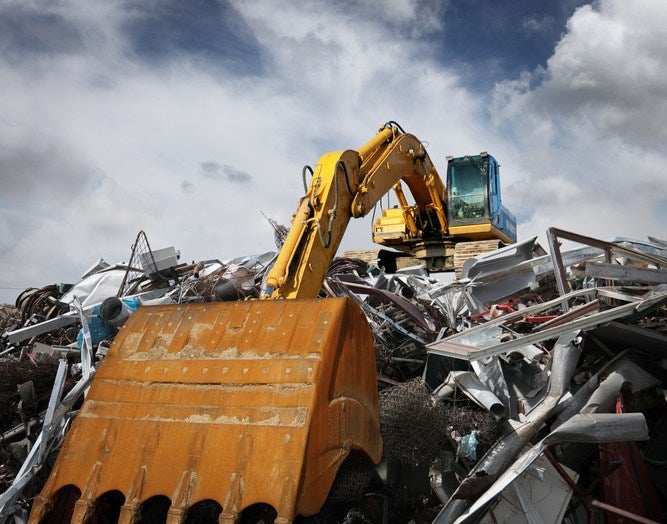
Whatever the reason for disposing of heavy machinery, there are various factors that need to be considered.Can the machinery be reused or repurposed?
If the equipment you need to dispose of is still in working condition, someone may have a use for it, so donating or selling it may solve your problem. Consider an auction or a specialized machinery reseller. Even if the machine only has some working parts, those parts can sometimes be removed and repurposed.Does the manufacturer or retailer offer any recycling or take-back programs?
It could be that the manufacturer or retailer of your machinery has a recycling initiative or a program that allows you to return or trade the machine when it’s no longer useful to you. Contact these companies or check out their websites to determine whether this is the case.Can the machine be recycled?
Even if the manufacturer doesn’t have a recycling initiative, there may be a facility in your area that can handle this. Check with local recycling centers, electronic waste recycling facilities, and even scrap metal yards, to try and find a way to keep your old machinery out of the landfill.Will your waste management company take the machinery?
If you can’t re-use, repurpose, or recycle your heavy machinery, look for a waste management company that is qualified to dismantle and dispose of your machinery. If you can’t find that, work with a machinery moving company to properly dismantle and dispose of it, in accordance with local regulations.What are the legal regulations on heavy machine disposal?
Do your research, and make sure that before you make a move, you understand the legal requirements and environmental regulations that apply to your type of machinery.The Machinery Disposal Process
Heavy machinery disposal begins with removal, whether you’re moving it to an auction site, a recycling facility, or back to the manufacturer. The removal process will be tailored to your unique project, but will essentially follow these steps:
- Assessment: The site and equipment will be assessed, so that a plan can be formulated.
- Engineering: A plan will be tailored to the project, taking into consideration rigging points, floor loads, and egress paths.
- Preparation: The machinery will be disassembled, disconnected, and prepared for transport.
- Rigging and Lifting: Using appropriately rated equipment, the machinery will be rigged and lifted onto transport vehicles.
- Transportation: The machinery will be transported to its destination, under careful supervision and with proper permitting.
- Unloading: The same expert team that disassembled and loaded the machinery will be on hand to unload it in an efficacious manner.
Importance of Professional Rigging in Old Heavy Machine Disposal
The most important thing to do when disposing of your old heavy machinery is to ensure that the process is managed properly. The best way to do this is to engage the services of a professional machinery moving company, so that the expert team can craft a custom plan that uses precision rigging to transport the machinery to its final destination. Additionally, professional heavy machinery movers know the proper disposal methods for heavy machinery, and understand how to deal with any hazardous materials in accordance with legal regulations and environmental concerns.
Trust LA Machinery Moving to Help You with Your Heavy Machine Disposal
If you need help disposing of heavy machines, partner with LA Machinery Moving. We’re an established leader, with 40 years of experience in the industry, and our team of experienced professionals offers a wide array of services, from packing and crating to heavy machinery moving to industrial machinery and rigging, and more. Because we know that every machinery moving project requires a customized solution, we work closely with our clients, providing tailored solutions, exceptional customer service and focused attention to detail. Using the latest technology and equipment, adhering to current safety regulations, and offering competitive pricing, we deliver projects on time and within budget, using safe and efficient solutions that minimize disruption to your operation. To learn more about how we can help with your next machinery moving project in Southern California, contact us through our website.
FAQs
What is the Best Way to Dispose of Heavy Machinery?
This depends on your unique situation. You have several options, including direct sales, working with an equipment broker, selling at auction, recycling or scrapping, or trading your equipment. In some cases, you can donate your equipment.Are there Regulations on Heavy Machine Disposal?
Yes, heavy machine disposal has to adhere to environmental and safety regulations. For example, hazardous fluids and materials must be removed, and reusable and recyclable materials must be separated.Why is Recycling a Good Option for Disposal of a Heavy Machine?
When heavy machinery is recycled, valuable metals can be recovered for reuse, and reusable components can contribute to a circular economy. Additionally, recycling equipment keeps it out of landfills, and reduces environmental contamination from hazardous materials.When is Scrapping Machinery a Better Option?
Sometimes, equipment is non-functional, or in too poor of a condition for resale, or too specialized to sell. If your machinery costs more to maintain than to remove it, and not worth marketing, it’s better to scrap it.Why Should I Work with Industrial Machine Movers to Dispose of Heavy Machinery?
Moving heavy machinery is a specialized process, involving heavy lifting and precise rigging. Professional machine movers know how to move machinery safely and efficiently, in compliance with federal and local safety regulations and environmental rules. -
10 Tips for Heavy Machinery Storage
Do you need to store heavy machinery like excavators, cranes, forklifts, or bulldozers? Prioritizing proper storage extends your equipment’s lifespan and ensures easy accessibility the next time you need it. Whether you’re storing machinery between jobs or preparing for a long off-season, the right preparation can save you from costly downtime and repairs when you retrieve the equipment from storage. Here are some tips to help you safely store your heavy machinery.
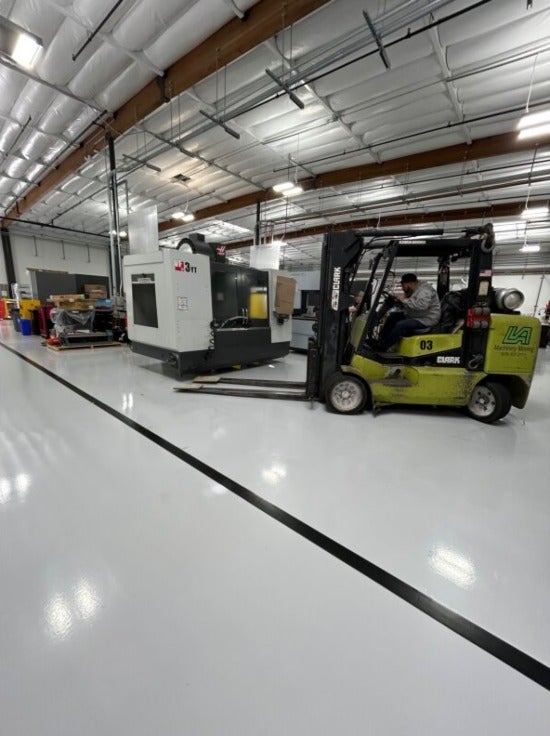
1. Check the Manufacturer’s Storage Recommendations
Before preparing your equipment for storage, review the manual to ensure you’re following the manufacturer’s best practices. If you don’t have a physical manual, check the website or call customer support. You may learn important details about fluid levels, battery care, and tire pressure. Some manufacturers may also recommend certain covers or specify conditions for short- vs. long-term storage.
2. Clean the Equipment
In preparation for storing your heavy machinery, clean it thoroughly to remove dirt, grease, and debris. Dirt can cause corrosion, while grease and grime buildup may lead to operational issues when you put the equipment back into use. Pressure washes the machinery, paying close attention to hard-to-reach areas where debris may accumulate. Let the equipment dry completely to prevent residual moisture from causing rust during storage.
3. Inspect for Repairs
Once the machinery is clean, perform a detailed inspection for existing damage or wear. Address issues like hydraulic leaks, worn belts, or loose bolts to prevent more significant damage from developing during storage. Conducting repairs beforehand also ensures that the equipment is in working order when you need it.
4. Lubricate Moving Parts
Lubrication prevents friction and rust while your equipment sits idle. Apply the recommended lubricant to all joints, bearings, and pivot points to create a protective moisture barrier. This is especially important for equipment with many moving parts, like excavators and cranes.
5. Change Fluids and Add Stabilizers
For machinery with engines, changing the oil and fluids before storage prevents contamination and engine damage. Be sure to top off the coolant and hydraulic fluid to avoid freezing or corrosion in the system. If you’re storing equipment for a few months or longer, add a fuel stabilizer to the tank to prevent fuel degradation. Run the engine briefly after adding the stabilizer to allow it to circulate through the system.
6. Remove or Disconnect the Battery
If your equipment won’t be used for an extended period, it’s wise to remove the battery and store it separately in a cool, dry place. Disconnecting the battery prevents it from slowly draining over time and extends its life. If removing the battery isn’t practical, at least disconnect it to avoid drainage or electrical issues.
7. Protect Electronics and Sensitive Components
Heavy machinery often contains electronic components, such as GPS systems, control panels, and sensors, which are vulnerable to moisture, dust, and extreme temperatures. Shield these components during storage by using protective covers, or remove detachable electronics and store them separately in a safe, dry place.
8. Inflate and Protect the Tires
If your machinery uses tires, inflate them slightly above the manufacturer’s recommended pressure. Properly inflated tires prevent flat spots and damage from long periods of inactivity. If possible, elevate the equipment slightly using blocks to take the weight off the tires and further reduce the risk of damage.
9. Plan Regular Inspections
Check on your equipment periodically while it’s in storage. Visual inspections every few months ensure no new issues have developed. Verify that protective coverings remain in place, moisture hasn’t accumulated, and there are no signs of pest infestations or structural damage. Maintain a detailed record of your inspections, repairs, and other activities related to your equipment while in storage. This log provides valuable information about your machinery’s condition when it’s time to retrieve it.
10. Store Indoors When Possible
Storing your heavy equipment indoors is ideal, as this protects it from the sun, rain, humidity, and other environmental factors. Prolonged exposure to UV rays can damage rubber components, while moisture can cause metal areas to rust. If you have the option, storing in a climate-controlled facility is an excellent investment in maintaining your machinery’s condition. If indoor storage isn’t available, cover the machinery with heavy-duty tarps and park it on a solid surface to avoid sinking or uneven wear.
Safe, Secure Machinery Storage in Los Angeles
LA Machinery Moving offers over 100,000 square feet of general storage and 40,000 square feet of climate-controlled warehouse space in Los Angeles, perfect for keeping your heavy equipment in peak condition. Our facilities protect your machinery from weather, vandalism, and other factors that can cause damage during storage. In addition to short- and long-term storage solutions, we provide loading, unloading, crating exporting, and packing services for your convenience. Contact us today to find a storage solution that fits your needs and budget.
-
Hygiene & Medical Equipment Relocation
Hospitals, research clinics, and testing laboratories must sometimes transport oversized machinery within the same building or to a new facility. This complex process demands expertise and attention to detail. Working with a professional medical equipment transportation service ensures your critical devices are relocated safely, quickly, and in compliance with healthcare standards. Whether you’re moving a single piece, or an entire department, proper planning and specialized handling are essential for a successful move.
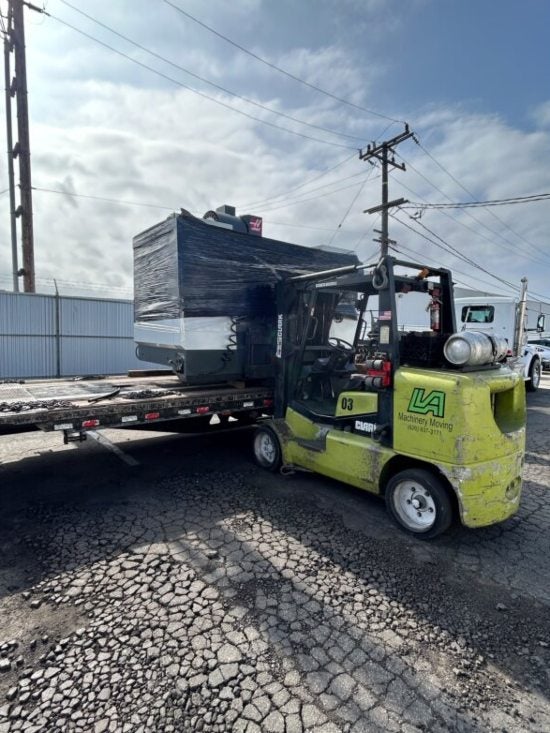
Challenges in Medical Equipment Relocation
Medical equipment transportation poses several unique challenges. Each must be addressed to ensure a safe, efficient move without damaging the equipment or disrupting patient care.
Equipment Safety
Medical devices are often expensive and fragile. They require careful handling to prevent damage during transport. Each piece must be secured using custom crates or skids and cushioned to withstand vibrations and shocks that may occur during loading, unloading, and transportation.
Minimizing Downtime
In the medical industry, downtime can negatively impact patient care and hospital operations. A crucial part of moving medical equipment is to reduce the time that equipment is out of use. Careful coordination and pre-planning ensure the transition goes as smoothly and quickly as possible.
Adherence to Healthcare Rules
Medical equipment transportation must follow strict healthcare regulations, including sterilization standards and hazardous materials guidelines. Working with an experienced medical equipment transportation company ensures that all legal and safety requirements are met.
Custom Packaging
When moving medical equipment, one size doesn’t fit all. Different devices require unique packaging, such as moisture-proof bagging, anti-static materials, or cushioning. These solutions protect sensitive electronics and prevent environmental factors like dust, moisture, and vibrations from affecting the equipment during transport.
Commonly Transported Medical Equipment
Medical equipment transportation solutions are available for a wide range of devices. Here are some of the most commonly transported items:
CT scanners are large, fragile machines requiring careful dismantling and packaging before transportation. Their size and sensitivity make them challenging to move, necessitating a partnership with experienced medical equipment movers.
MRI machines are bulky and sensitive to movement. They also contain powerful magnets that must be properly handled to avoid damage during relocation.
X-ray devices are another example of large, sensitive equipment that demands precise handling and transportation.
Diagnostic equipment like ultrasound machines and ECG units may need to be relocated during hospital renovations or layout reconfigurations. Careful transport reduces the risk of damage to sensitive components.
Lab equipment, such as microscopes and incubators, often contain delicate parts that can be easily damaged by improper handling or environmental exposure. They require custom crating and packaging.
Lasers used in various medical procedures are delicate and expensive. They must be secured with vibration protection during transport.
Surgical instruments are often made of specialized materials and must be kept sterile throughout the relocation process. Custom crating and moisture-proof packaging are frequently used to protect these items.
Hospital furniture isn’t as delicate as medical equipment, but hospital beds, stretchers, and medical carts should be securely packed and transported to avoid damage.
Steps for Transporting Medical Equipment
Successful hospital & medical equipment transportation requires a clear, step-by-step process. Follow these best practices to ensure each piece of equipment is moved efficiently and safely.
Planning
First, create a detailed plan for the move. This includes evaluating the equipment to be relocated, identifying the need for custom crating or climate control, and setting a timeline that minimizes downtime for your medical facility.
Dismantling
Large medical devices, such as MRI machines or CT scanners, must often be partially dismantled before transport. This requires a team of experts who understand the equipment they’re working with to avoid causing damage.
Loading
Proper loading techniques are crucial to ensure equipment safety during transport. Machinery should be loaded using specialized lifts and secured with straps, cushioning, and bracing to prevent movement.
Transportation
This phase calls for moving the machinery with suitable transportation equipment, such as cranes, trucks, trailers, or climate-controlled vans, depending on the requirements of what’s being relocated. For instance, some machines need temperature or humidity regulation to maintain their integrity, while this precaution is unnecessary in other cases.
Reassembly
Once the equipment reaches its destination, it must be reassembled and tested to ensure proper functionality. This process should be handled by trained professionals who understand the equipment’s technical specifications.
Trust Us for Medical Equipment Relocation in Los Angeles
LA Machinery Moving specializes in relocating medical equipment, drawing from over 30 years of industry experience. Our knowledgeable team ensures secure and efficient transport for sensitive medical devices. We offer personalized services that span the entire transportation process for minimal downtime and complete safety. Contact us today to request a quote for medical equipment transportation services in Los Angeles, CA.